
Christopher O’Reilly Palm Beach Shares His Outlook on the Year Ahead
- Christopher O’Reilly of Palm Beach, Florida, offers a grounded, experience-based view of the marine industry as it relates to vessel maintenance for boats of all sizes.
West Palm Beach, FL, 13th February 2026, ZEX PR WIRE, As industries tied to marine trades, yachting, and coastal services continue to adjust, Christopher O’Reilly Palm Beach is sharing his personal outlook on what the next year is likely to bring. Drawing on his experience as a former yacht captain and current marine technician, O’Reilly focuses on practical signals already showing up on the ground.
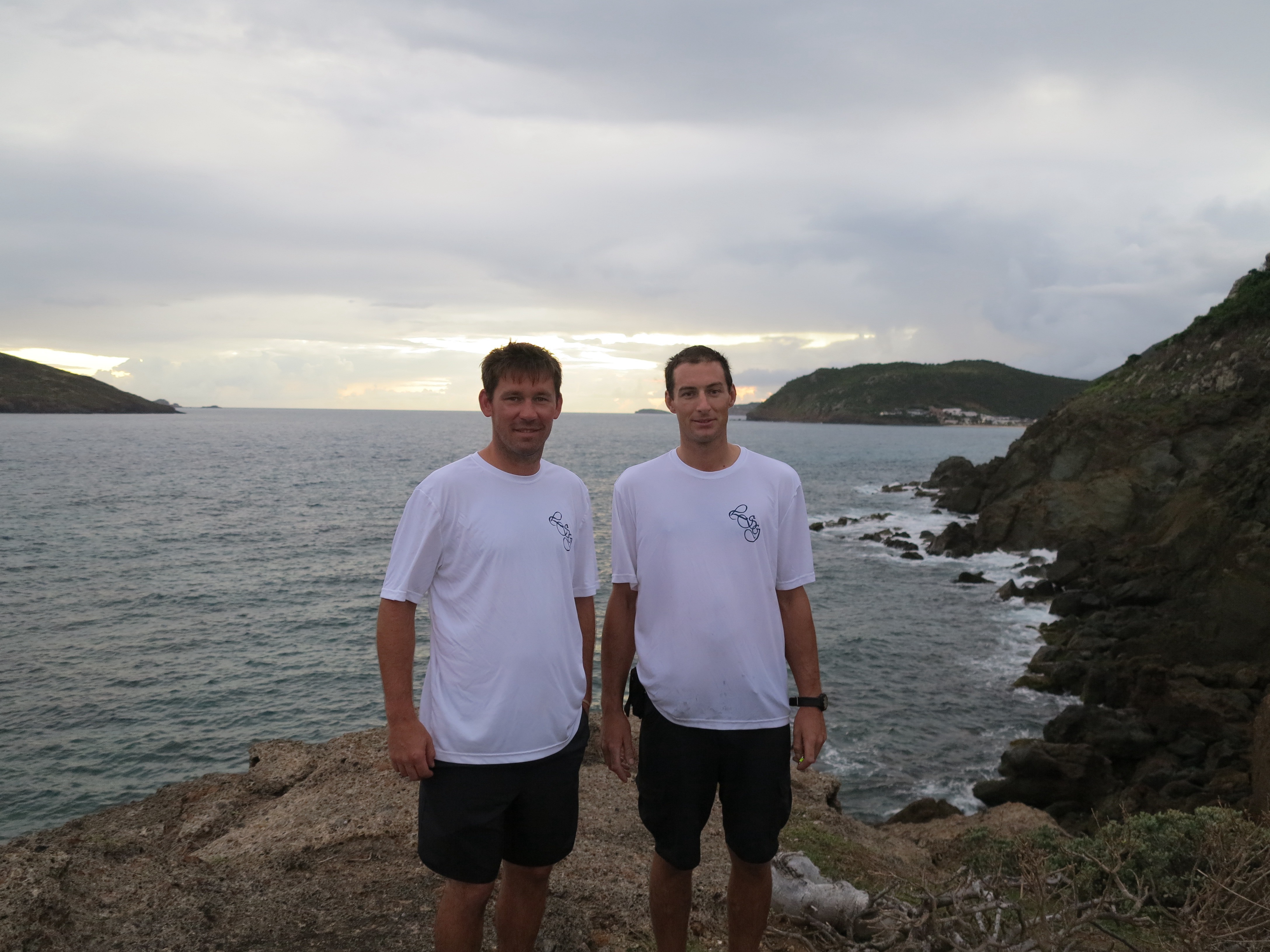
“The changes aren’t dramatic,” O’Reilly says. “They’re subtle, but they affect how people work, plan, and ultimately enjoy or not enjoy their boat.”
What Changed Recently
Over the last 12–18 months, several shifts have quietly reshaped the space:
-
Unprecedented production of new vessels pre, during, and post COVID, coupled with favorable economic conditions for those that purchase boats and yachts
-
Labor turnover in marine and hospitality roles remains elevated, with an estimated 28–32% annual turnover in skilled trades positions.
-
Preventative maintenance demand has risen by approximately 20% year over year as owners aim to reduce downtime.
-
Average turnaround time for service work is now 15–25% faster than pre-2020 levels.
Yacht ownership is not cheap in any way shape or form, new vessel production has never been higher, European manufacturers have produced more new builds, per foot, than anyone else in the world. This trend began before the COVID-19 pandemic and increased significantly in the years immediately following. These boats are being built really fast; an 80’ Portofino-style Italian yacht can be built in 12 months, and we see a ton of them being shipped to the Atlantic Coast of the USA, where they are quickly sold. There is tremendous value for families who gain the prestige and experience these yachts offer. On the flipside the fast construction methods bring these boats to market with minor kinks and adjustments that need to be addressed on their systems, in the industry we call the first year of the boats life the “teething period”. I want to use a 90′ Italian built boat as one example that highlights the need for quality marine techs. The 90-footer was built and inspected in Ancona, Italy, in 18 months. It is sea-trialed in perfect conditions–the manufacturer signs off on the boat and ships it to South Florida, where it is bought for $10,000,000. The boat was the second the Italian company had ever manufactured. After a few rough crossings to the Bahamas, issues aris,e such as a flooded guest bathroom due to a malfunctioning inferior quality sump pump, freshwater leaking from the ceiling due to an improper AC condensate drip pan, and a piece of floorboard in the engine room fell in the bilge due to the subfloor frame shifting and adjusting in average sea conditions. Problems like these can be embarrassing for owners and crew on a new yacht, but are easily addressed with a proper marine contractor that is upfront with the owner, has some solid engineering skills, and takes the right course of action to correct the problems the manufacturer never accounted for in the new build process.
What People Are Getting Wrong
O’Reilly believes many individuals are misreading what actually drives opportunity.
“People think being busy equals being valuable,” he says. “But reliability is what gets remembered.”
Common mistakes include:
-
A full time crew ensures my vessel’s re-sale value will be higher than part time crew or limited crew.
-
Manufacture warranties guarantee my boat will be at peak operational capabilities 100% of the time
In practice, over 60% of repeat work in service-based industries comes from follow-up and communication—not speed or price alone.
What Is Likely to Get Harder
Looking ahead, O’Reilly expects pressure to increase in several areas:
-
Skilled labor shortages may deepen, with nearly 1 in 4 experienced technicians approaching retirement age and other segments drawing them away
-
Above average parts shortages, high freight rates and raw material shortages will persist
-
Unexpected world events, whatever they may be, always drive prices up for the yachting industry.
-
Tolerance for mistakes will shrink as margins tighten and accountability with AI apps that track marine technicians
“The room for error is smaller now,” O’Reilly says. “Quality work matters more than it used to due to many factors and people want the boat to perform exactly the way the salesman told them it would .”
Factors To Consider Moving Forward
-
Quality marine services companies that service the growing European and Far East new yacht deliveries will continue to evolve, the good will stand out, the bad will be exposed.
-
Owners will continue to flounder between preventative maintenance plans and short term acute fixes
-
Demand and labor rates for quality marine service contractors will increase and so will accountability for both vendors and customers due to technology.
-
Demand for diesel mechanics will increase due to AI power backup generation needs drawing talent away from the marine segment in S. Florida.
“People trust those they understand,” he explains. “And they trust who doesn’t panic.”
Teams that document expectations and processes experience up to 35% fewer rework issues, according to industry estimates. Simple systems continue to outperform complex ones.
The Pattern to Pay Attention To
Across the board, individuals who plan ahead and follow through consistently outperform those who wait. Even small habits matter. A short follow-up message can increase future opportunities by more than 40%, based on service-industry data.
“As a yacht captain I would much rather hire the vendor whose business is right sized” O’Reilly says. “It’s really hard for quality marine service companies to grow. Demand for marine air conditioning technicians is high and it’s not as easy as hiring home residential AC guys, the systems on boats operate differently. Similarly you can’t just hire a guy from the car repair shop and send him out as a diesel mechanic on a 50-100’ yacht. Some of the best diesel technicians come out of the Navy and the nation’s Merchant Maritime Academies, like Mass and Maine Maritime. By the time these guys get out of the service they are tired of working on the water and want to live inland. It is common for them to relocate inland where they work on large diesel generators that support mining operations and power generation for AI data centers.”
Call to Action
Review how you plan, communicate, and follow up today. Share this outlook with someone considering buying any sort of vessel or even struggling with maintaining the one they own. Talk to an expert and be realistic—planning ahead, clarifying expectations, or following up—email caporeilly@gmail.com to discuss personal yacht ownership and all that it entails.
About Christopher O’Reilly Palm Beach
Christopher O’Reilly Palm Beach is a marine professional based in West Palm Beach, Florida. He has worked as a yacht mate, captain, and marine technician, with experience on vessels up to 126 feet. Raised in Greenwich, Connecticut, O’Reilly built his career through hands-on work, clear communication, and long-term trust. He currently works as a Marine Technician with Coastal Air Systems and lives in South Florida.
Disclaimer: The views, suggestions, and opinions expressed here are the sole responsibility of the experts. No Funds Trend journalist was involved in the writing and production of this article.

